
Some links in this post may be affiliate links. I may earn a commission at no extra cost to you.
Freelancing opportunities are more accessible than ever, with platforms like Fiverr and Upwork connecting skilled professionals with remote work across every industry. Demand for freelance talent continues to grow as businesses seek flexible, on-demand hiring without the overhead of full-time employment.
The traditional hiring process is costly and time-consuming for employers. Recruitment, interviews, onboarding, benefits, and training add up fast. For job seekers, the process is equally exhausting. On average, candidates submit more than 40 applications to land a single interview, making the job search a full-time effort in itself.
Freelancing offers a different path, one built on skills, reputation, and direct relationships with clients rather than a résumé and a hiring committee.
Top 9 Freelance Jobs In Demand
Remote freelancing has seen sustained growth over the past several years, driven by the shift toward flexible, location-independent work. With no commute and more control over your schedule, the appeal is clear, though it comes with real tradeoffs worth understanding.
Digital skills in particular are well-suited to remote freelancing, since the work can be performed from anywhere with a laptop and a reliable internet connection. Below is a curated list of nine of the top freelance jobs that are at the forefront of new trends.
1. Software Development and Cloud Computing Engineering
Software development has been a cornerstone of the digital economy for decades, and demand continues to accelerate alongside the growth of cloud computing. Cloud infrastructure now powers everything from enterprise storage to SaaS platforms, replacing the limitations of physical hardware.
This is one of the highest-paying and most consistently in-demand skill sets in the freelance market, with no signs of slowing down, according to recent cloud computing growth data.
2. Cybersecurity
With the rising advancements in digital technology, and especially widespread growth of AI, cybersecurity is in high demand for specialized skills to combat the rising growth in cybercrime. Skills like ethical hacking, cloud security, malware analysis, cryptography, and others are digital security skills needed in today’s economy.
For a deeper look at why cybersecurity skills matter beyond the workplace, see our Cybersecurity for Digital Nomads guide.
3. Mobile App Developer
Over half the world now owns a smartphone, with dozens of apps installed on each. Widespread internet and mobile connectivity allow users to easily open a wide variety of applications for quick access to the tools, games, education, shopping, banking, and more, all with quick clicks. Even with nearly 9 million apps worldwide, developers are still in demand.
Mobile app development remains one of the most versatile freelance skills, with demand spanning startups, enterprises, and everything in between.
4. Copywriting
There is no denying AI’s influence on generating text quickly and easily. However, speed does not equal quality, and AI-generated content cannot replace human emotion or nuance. As Copyblogger points out, the highest-paid copywriters aren’t just stringing words together, they bring skills in business, marketing, strategy, and ideation.
If you have a strong voice and understand how to move people to action, copywriting remains one of the most transferable and lucrative freelance skills available.
5. UI/UX Design
UI and UX design is growing rapidly, due to the continued growth of online businesses, digital marketing platform complexity, and the rise of AI. They all benefit from improving customer design and experience that will keep people engaged, and improve customer retention. With emerging technologies like AI, AR, and VR, companies need skilled designers to create smooth, engaging, and adaptive interfaces.
Strong UI/UX skills translate across industries, making this one of the most versatile and consistently billable freelance disciplines.
6. Video Editing and Photography
Another part of the digital economy includes the mass expansion of video content. It is increasingly more common to consume information through video vs written form, with social media being on the forefront. Both formats benefit from skilled editors that can improve video quality that stands out from the rest. Employment for film and video editors is projected to grow 7% by 2032, faster than the average for all occupations.
From YouTube channels to corporate training videos, skilled editors are in demand across virtually every content category.
7. Digital Marketing
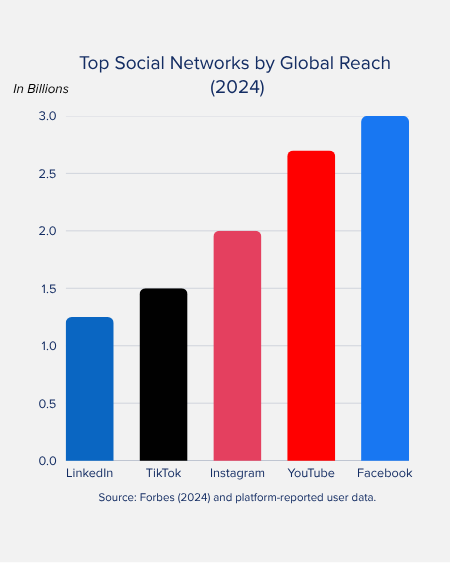
Digital marketing is the primary method for the vast majority of businesses to advertise their products and services. According to Forbes, social media marketing skills (a segment of digital marketing) will be worth $1.5T by 2030. This segment is the largest digital marketing skill, comprising approximately 30% of the industry.
For freelancers, digital marketing skills translate directly into client work across social media management, paid advertising, email campaigns, and content strategy. New to digital marketing? Start with our Digital Marketing Beginner’s Guide.
8. Content Creation
Creating various types of content: written, video, graphics, etc., goes hand-in-hand with many of the aforementioned industries covered above, especially digital marketing, which is the umbrella under which content creation and marketing fall. This is the act of production for the information, while content and digital marketing are the vehicle that drives it. Digital content creation is expected to triple from a 2023 valuation of $27.1B to $90.4B by 2030.
Content creators who understand strategy, not just production, are among the most sought-after freelancers today. Learn more about what content creation actually involves in our What is Content Creation? guide.
9. SEO Specialist
Like content creation, Search Engine Optimization is another type of digital marketing. As the global internet presence grows, more businesses will need SEO to attract potential customers to their site by understanding search intent. According to the Digital Marketing Institute, 68% of online experiences start with a search engine, and organic search drives over half of all website traffic.
This makes SEO one of the most vital freelancing skills in the current market. Wondering if SEO is still worth learning? Read SEO Is Not Dead for a current take.

Tools like KWFinder let you apply SEO concepts in real time. Start exploring keywords with KWFinder and see what your audience is actually searching for.
Best Freelance Websites to Find Work
Many of these careers naturally overlap and build on one another. Spotting these connections makes it easier to see where the economy is going, and how to position yourself to adapt to it. The following are the top freelancing platforms to find remote work across all the careers covered above.
Fiverr
In 2010, Fiverr was founded as a freelancer marketplace with a “$5 gig” pricing model. It has since evolved into more skilled services, offering over 300 categories. In 2013, they dropped the $5 price tag and let freelancers set their own rates, allowing freelancers to set competitive rates based on their experience and skill level. Today,
Fiverr stands out as one of the top platforms to find and solicit reliable freelancing work. Set up your first freelancing profile on Fiverr and start landing clients today.

Upwork
Upwork evolved from the merger of two companies to form oDesk-Elance in 2013, but rebranded to Upwork in 2015. For those new to freelancing and online business or side hustles, Upwork offers a low-barrier to entry, allowing them to gain experience, build their portfolio, and find clients through an efficient marketplace. They serve a significant freelance marketplace, with over 18 million registered freelancers globally, with 60% of them working remotely.
Upwork is particularly well-suited for freelancers looking to build long-term client relationships rather than one-off gigs.
Freelancer.com
Freelancer.com is the world’s largest freelancing platform by number of users and projects, currently connecting over 84 million employers and freelancers globally, from over 247 countries, regions, and territories. Founded in 2004 and headquartered in Australia, they offer services in multiple languages and remain one of the most established marketplaces in the industry.
With the widest global reach of any freelancing platform, Freelancer.com is worth exploring if your target clients span multiple regions or industries.
Launched in 2002, LinkedIn is one of the oldest social media platforms still in operation, designed as a professional networking site. This core functionality continues today, making it especially valuable for writers, marketers, developers, and other in-demand freelancers looking to showcase their skills and connect with businesses worldwide.
LinkedIn works best as a long-term credibility builder rather than a direct job board. Keeping your profile active and optimized puts you in front of decision-makers who are actively looking for freelance talent.
PeoplePerHour
Founded in 2007, PeoplePerHour is a UK-based freelancing platform operating in over 100 countries. With more than 3 million freelancers and £150M earned across 8,700 skills, it’s especially beginner-friendly, offering smaller projects that help new freelancers build experience in writing, design, marketing, and tech.
The £150M earned across the platform is a strong signal that buyers are active and spending. For newer freelancers, the smaller project sizes make it a practical place to build reviews and a track record before moving to larger platforms.
FlexJobs
Founded in 2007, FlexJobs is one of the most recognized remote job platforms, featuring 183,000+ listings from over 12,000 companies. Every posting is vetted by their team to ensure scam-free opportunities, earning them a 4.6★ rating backed by 14,000+ reviews.
Unlike most freelancing platforms, FlexJobs charges a subscription fee rather than taking a commission, which means the listings tend to attract more serious employers. The vetting process also makes it one of the safer options for freelancers wary of scams. Not sure how to spot a fraudulent job listing? Remote Work Scams to Avoid covers the red flags to watch for.
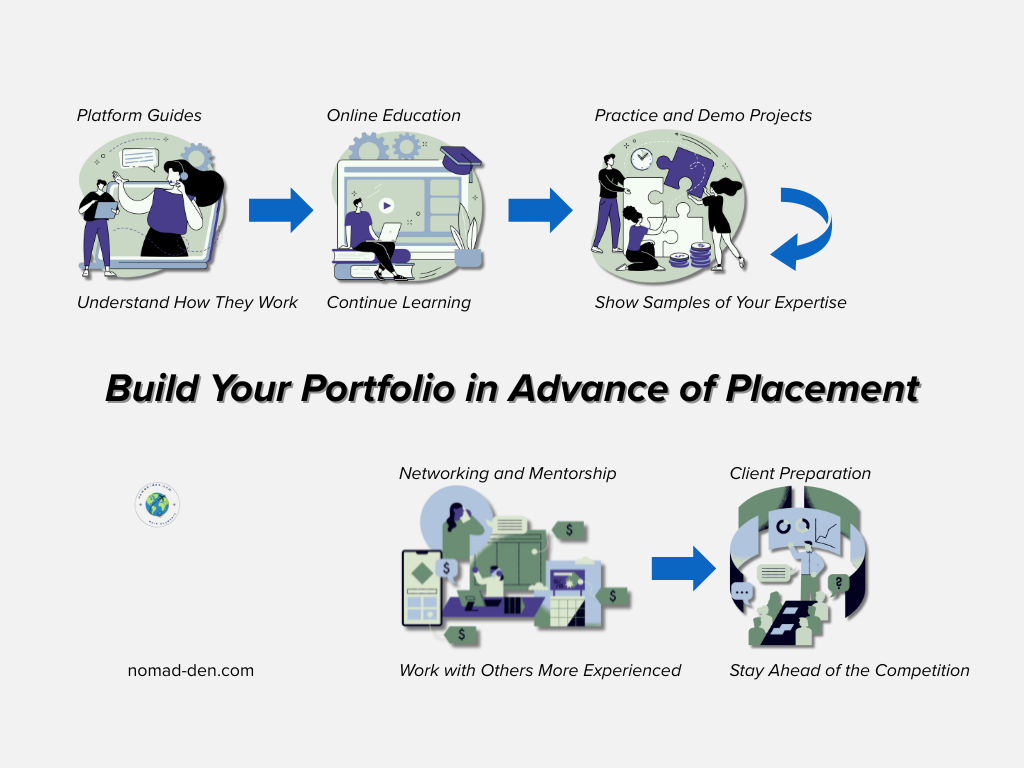
How to Build Your Freelancing Portfolio
Employers evaluate two things above all else: the depth of your knowledge in your field, and your ability to demonstrate it in action. Freelancing platforms are no exception. Taking these steps will strengthen your profile over time and give you more to showcase in your digital portfolio.
- Platform Guides and Blogs: Many of the freelancing platforms mentioned here have materials that can aid freelancers in finding quality work, with advice, blog articles, or tutorials.
- Online Education: Talking condensed coursework in platforms like Udemy, Coursera, or LinkedIn Learning will improve your skills and knowledge in less time and more affordability than many brick and mortar institutions.
- Practice and Demo Projects: Job experience is always preferred, but it doesn’t have to be the only experience. Creating sample projects showcasing your skills can leverage experience and demonstrate your abilities before you are even paid for your first job.
- Networking & Mentorship: Connect with other freelancers in your niche through LinkedIn groups, forums, or communities. Many experienced freelancers share advice that can shortcut your learning curve.
- Client Preparation: Before you land your first project, plan ahead by setting up simple processes like how you’ll communicate, handle revisions, or deliver files. Being prepared helps you look professional from the start.
Building your freelancing portfolio isn’t about perfection from day one. Everyone starts without experience, but in this competitive market, demonstrating your skills and how you’ll manage clients before your first contract is what sets you apart.
Frequently Asked Questions About Freelancing
Conclusion
The job market is more competitive than ever. To stay ahead of the curve, it’s important to recognize how hiring trends and workplace dynamics are shifting. Many freelancing platforms emerged in the mid-2000s, signaling the early movement toward remote work.
The COVID-19 era accelerated that shift, making “work from home” opportunities mainstream and expanding accessibility to more careers than ever before. Today, the resources to get started are more available than ever. You know the careers and the platforms. To learn how to start freelancing with no experience, it’s about taking action: build your portfolio, create your personal workspace, and leverage your skills to set yourself apart from the rest.
Some links in this post may be affiliate links. I may earn a commission at no extra cost to you. Learn more here.
Continue Reading Related Posts
Freelance Business Tools: Getting Paid and Staying Protected
Most freelance tool summaries and comparison posts point you toward the same handful of project…
Digital Nomad Visas in 2026: Requirements, Costs, and How to Apply Safely
A digital nomad visa is a temporary residency permit that lets you legally live in…
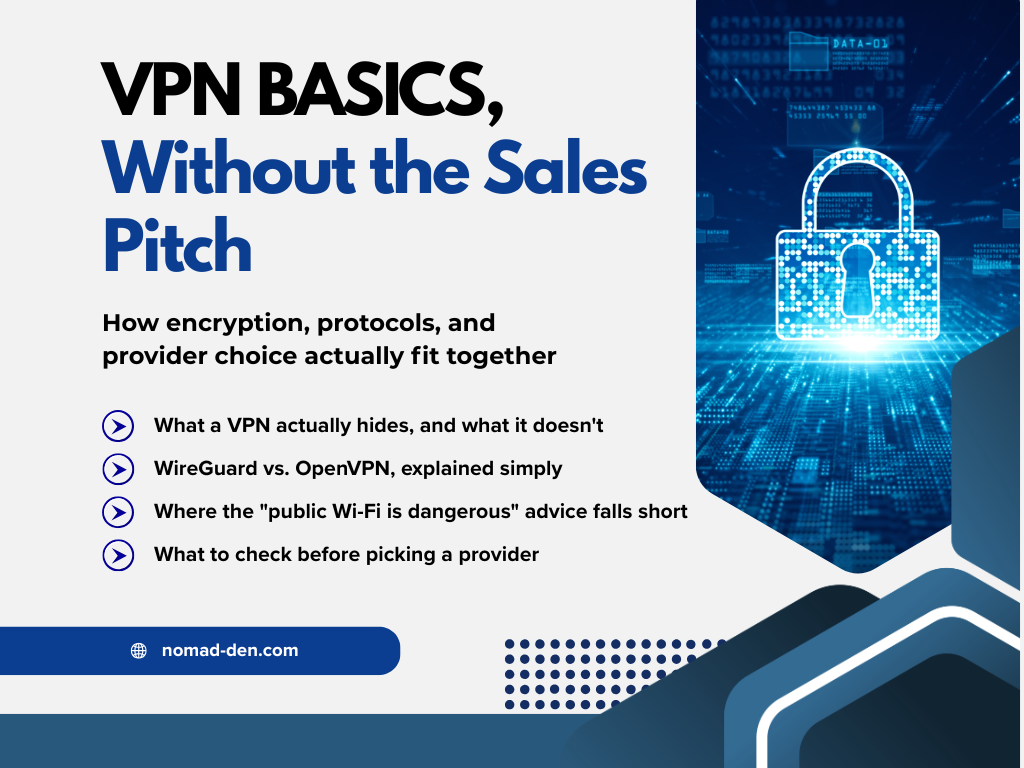
What Is a VPN? How It Works, What It Protects, and What It Doesn’t
A VPN, or virtual private network, is a service that encrypts your internet connection and…
Best Antivirus Software for Small Business Owners and Freelancers (2026)
If you run your business off a single laptop, ‘I should probably get antivirus eventually’…
Cybersecurity for Digital Nomads: The Risks Your VPN Won’t Cover
More than 40 million people are now working as digital nomads worldwide. Despite that scale,…

Remote Work Scams: What You Need to Know Before You Apply
What’s actually happening in the remote work space right now is more serious than any…