
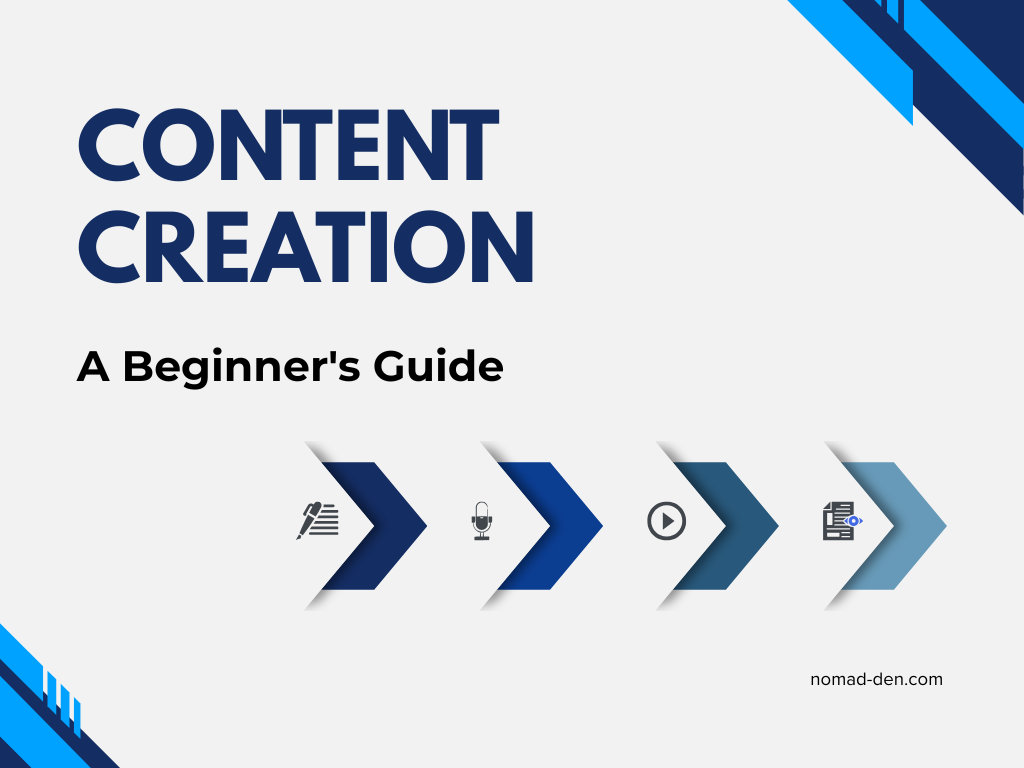
Content creation is the act of producing valuable material within a chosen niche, whether that’s educational, entertaining, or helpful to your audience. It’s the foundation of every online business, personal brand, and digital marketing strategy, and understanding what it actually means is the first step toward using it intentionally.
Before diving into the different types of content, it helps to understand two closely related terms that often get mixed together. Content marketing is the strategic use of content to achieve business goals, such as attracting an audience, building trust, and generating revenue. You can explore content marketing in depth here.
Digital marketing is the broader umbrella that covers everything from SEO and email to paid ads, funnels, analytics, and beyond. Together, these three concepts form your digital content strategy and guide how and where you show up online.
For now, we’re focusing on the foundation: the many types of content you can create, and how to start using them to build your business.
Why is it Important?
Content creation matters because it’s how your brand shows up, builds trust, and earns attention over time. To share your message effectively, you need content to market, and that content should exist in multiple forms. Today’s audiences explore information across different formats before deciding who to trust, so relying on just one type of content limits how many people you can actually reach. This is why SEO has evolved well beyond search engines. Learn more about how Search Everywhere Optimization is changing content discovery.
Understanding your audience is what makes the difference between content that connects and content that gets ignored. When you know who you’re speaking to, where they spend time online, and what challenges they’re trying to solve, you can create content that resonates and builds real connections. Consistency across formats then compounds that trust into visibility and credibility over time.
Start simple: define what you want to achieve, choose the formats that fit your audience, and share content consistently across the platforms where they already spend time. That’s how strong brands and sustainable online businesses are built.
Types of Content You Can Create
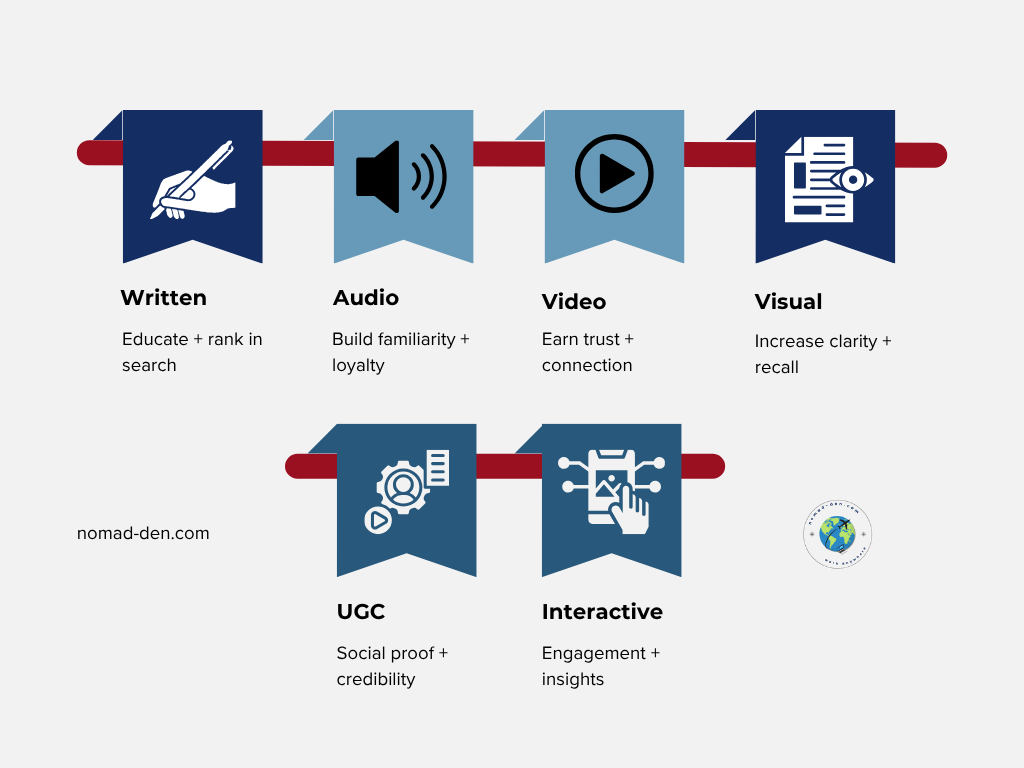
People consume and learn from content in different ways, and most will explore multiple formats before deciding who to trust. Some prefer reading, others learn visually or through audio. By creating content in multiple formats, you make your message more accessible and meet your audience where they already are.
Written Content
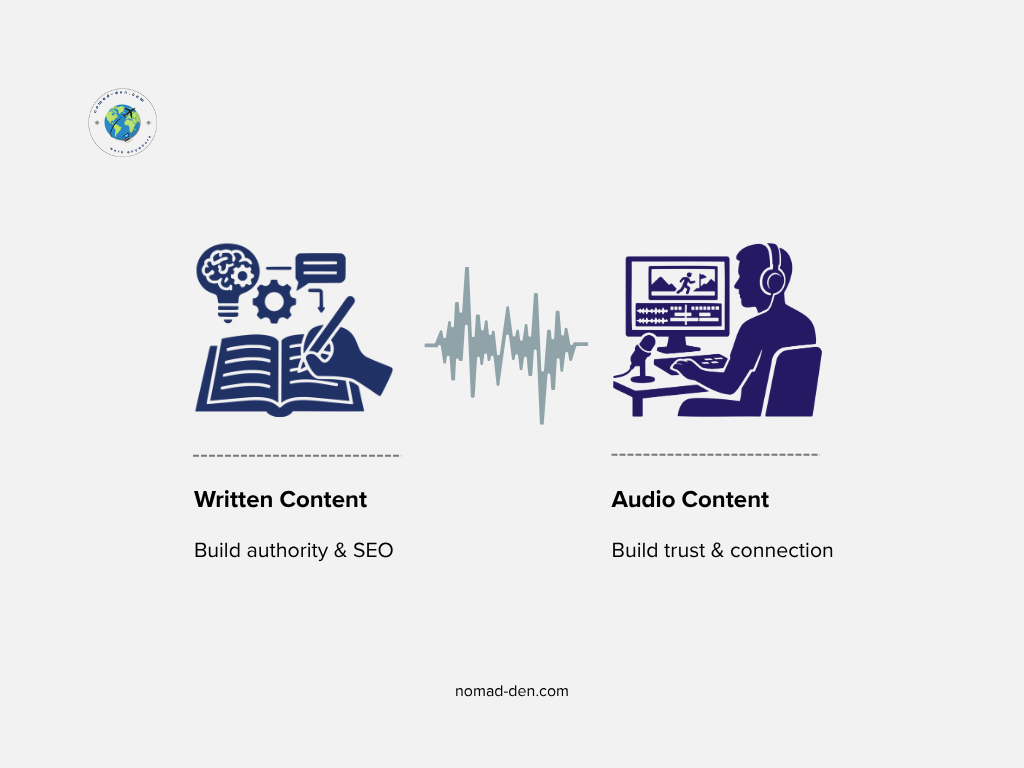
Written content builds authority, supports SEO, and continues working long after it’s published. It’s ideal for educating your audience and earning long-term trust. Below are content format examples you can use to grow your brand across different platforms.
- Articles & blog posts: In-depth or short-form pieces published on your site. Great for SEO and education, and a core part of your SEO strategy long-term.
- Ebooks & guides: Longer resources used for list-building and delivering high-value learning.
- Email newsletters: Direct communication that nurtures relationships and guides readers toward next steps.
- Whitepapers: Data-driven content for technical or advanced subjects.
- Social captions: Short written copy paired with visuals or video on platforms like Instagram, TikTok, or Pinterest.
- Case studies & testimonials: Proof of results and real experiences that build credibility.
Best use case: Long-term authority and trust, especially when paired with SEO and email marketing. Email marketing consistently delivers the highest ROI of any digital marketing channel. Compare the top platforms and find the right fit for your business.
Audio Content
Audio content is one of the most accessible formats available because people can consume it while doing something else entirely: commuting, working out, cooking, or winding down. That multitasking quality makes audio uniquely powerful for long-form engagement and building the kind of familiarity that turns casual listeners into loyal followers.
- Podcasts: Long or short-form audio shows on specific topics.
- Audiograms: Short audio clips, often paired with visuals, for social media.
- Voice-assistant content: Audio designed for voice-search and smart-assistant platforms.
Best use case: Building a loyal, returning audience through consistent, conversational content that feels personal and trustworthy over time.
Video Content
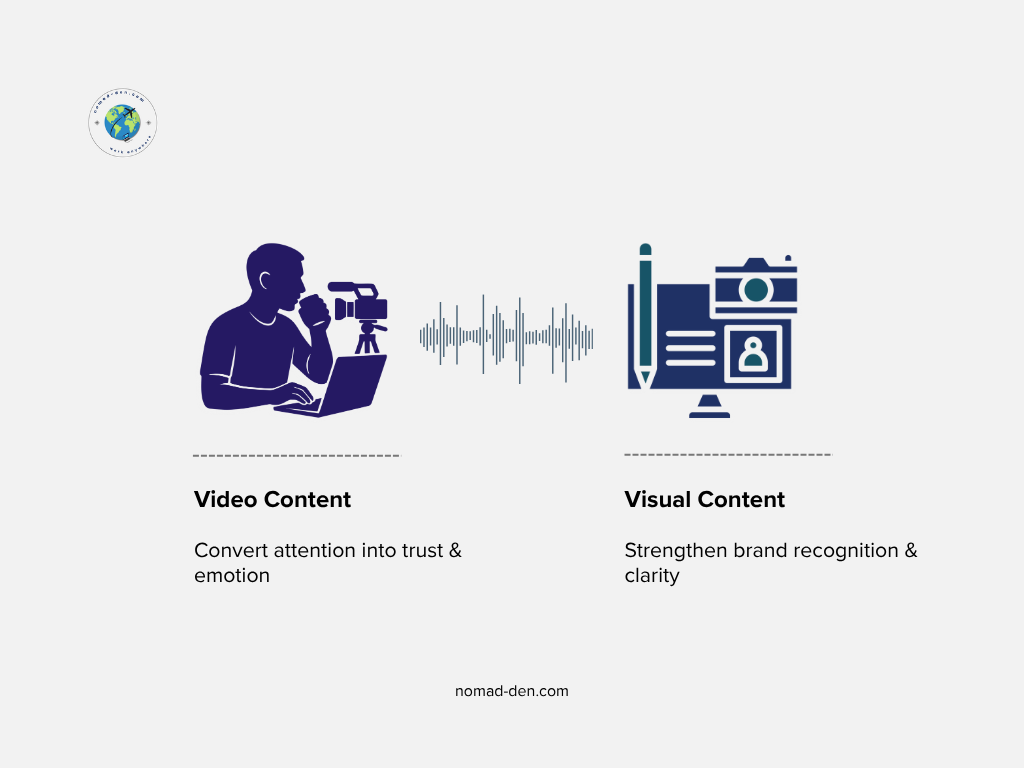
Of all the content formats available, video is the one that closes the trust gap fastest. Seeing someone’s facial expressions, hearing their tone, and watching how they carry themselves communicates more in 30 seconds than a blog post can in 500 words. That’s why video is uniquely powerful for storytelling, product demonstrations, and building the kind of personal connection that converts browsers into buyers.
- Short-form video: TikTok, Reels, YouTube Shorts; fast engagement and discoverability. Includes clips, B-roll, hooks, and micro-content for storytelling and social posts.
- Long-form video: YouTube tutorials, webinars, livestreams; deeper teaching and relationship-building.
- Live video: Real-time broadcasts for events, Q&As, or behind-the-scenes content.
- Product demos and explainer videos: Content that demonstrates how to use a product or explains a concept.
Best use case: Accelerating trust, teaching complex ideas visually, and creating a human presence that written content alone can’t replicate.
Visual Content
Visual content is the format that stops the scroll. Before someone reads a word, they’ve already formed an impression based on what they see, which makes this format uniquely powerful for brand recognition, platform discoverability, and communicating complex ideas at a glance. It’s especially effective on visual-first platforms like Pinterest, Instagram, and Facebook, and increasingly on YouTube, where thumbnail design alone can determine whether a video gets clicked.
- Infographics: Visual summaries that make data or concepts easy to understand.
- Images & graphics: Photography, illustrations, and branded graphics used across web and social content.
- Memes & social graphics: Shareable visuals designed for engagement and brand voice.
- Slides & presentations: Carousel posts, slide decks, or presentation-style graphics for education and storytelling.
Best use case: Grabbing attention instantly, simplifying ideas into digestible formats, and reinforcing brand identity consistently across visual platforms. If you’re building a Pinterest presence specifically, here’s how to use visual content to make money on Pinterest without spending anything upfront.
Additional Types of Content
While the core content formats lay the foundation for your online presence, these additional formats can significantly boost credibility, trust, and engagement. They aren’t mandatory when you’re getting started, but incorporating them over time strengthens your brand long-term.
User-Generated Content (UGC)
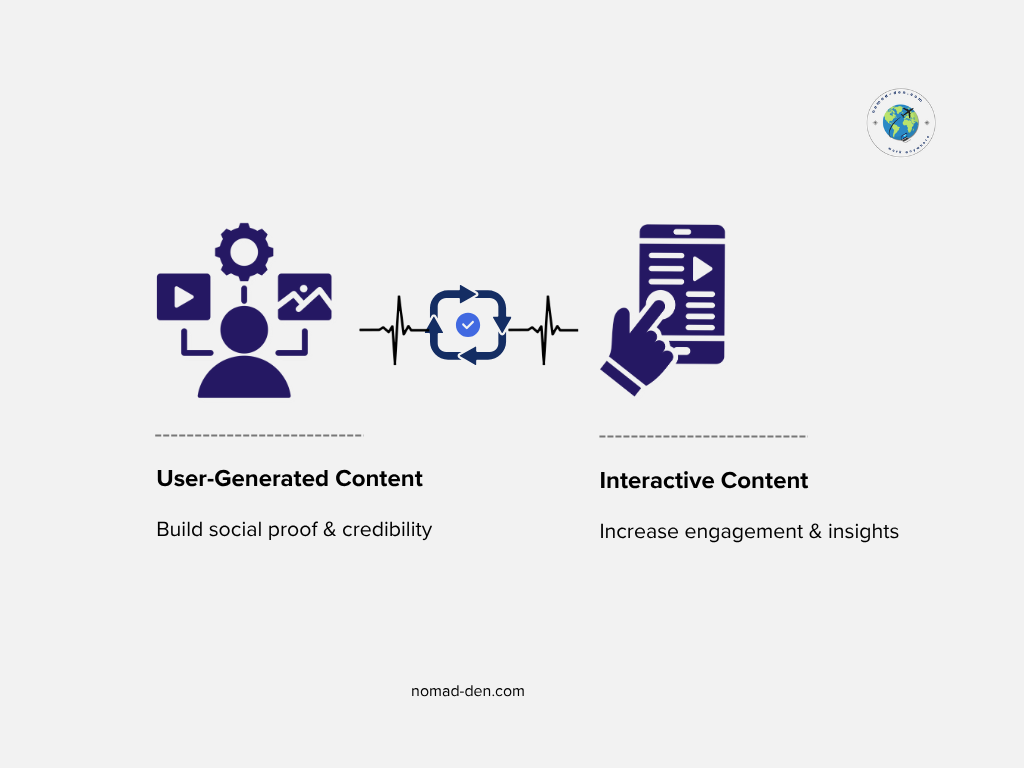
User-generated content is any content created by real users, not the brand. Because it comes from actual customers or community members, it’s seen as more authentic and trustworthy. UGC can increase conversions, build social proof, and show potential customers what real experiences look like. The most common forms include:
- Testimonials: Personal success stories or feedback from customers.
- Reviews: Ratings or written feedback shared publicly (like Google, Trustpilot, or social platforms).
- Customer photos/videos: Real-world usage of a product or brand, often shared on social media.
Best use case: Building social proof and credibility, particularly for products or services where real-world results matter more than brand messaging alone.
Interactive Content
Interactive content turns passive readers into active participants, which makes it uniquely valuable for both engagement and research. By inviting your audience to respond, you gather the kind of direct insight that shapes better content, stronger offers, and more relevant messaging. It’s also worth noting that formats like quizzes and surveys double as effective lead magnets, giving your audience something valuable while building your list at the same time. The most common formats include:
- Polls: Quick audience feedback to learn preferences or opinions.
- Surveys: Longer-form feedback tools that gather insights, validate ideas, and help you better understand your audience.
- Quizzes: Fun, personalized experiences that guide users toward a result or recommendation.
- Shoppable posts: Clickable posts that let users purchase without leaving the platform.
Best use case: Engagement, data collection, audience research, and creating personalized experiences that double as list-building tools.
The clearer you are about what you want to achieve, the easier it becomes to develop a content plan that supports your long-term goals. Below are practical content creation tips to help you stay consistent and build a simple content strategy you can follow:
How to Start Building a Content Marketing Strategy
Now that you understand the main types of content you can create, the next step is using that content intentionally, not just posting and hoping for results. Your content should support your business goals and help you connect with your audience over time. Think of this as a simple content strategy framework you can follow as you grow.
Build Your Strategy Through Testing & Consistency
In the beginning, a lot of your success comes from testing. You’re learning what your audience responds to, what platforms feel natural to you, and how your brand resonates in the market. This takes consistency and patience. Data doesn’t appear overnight.
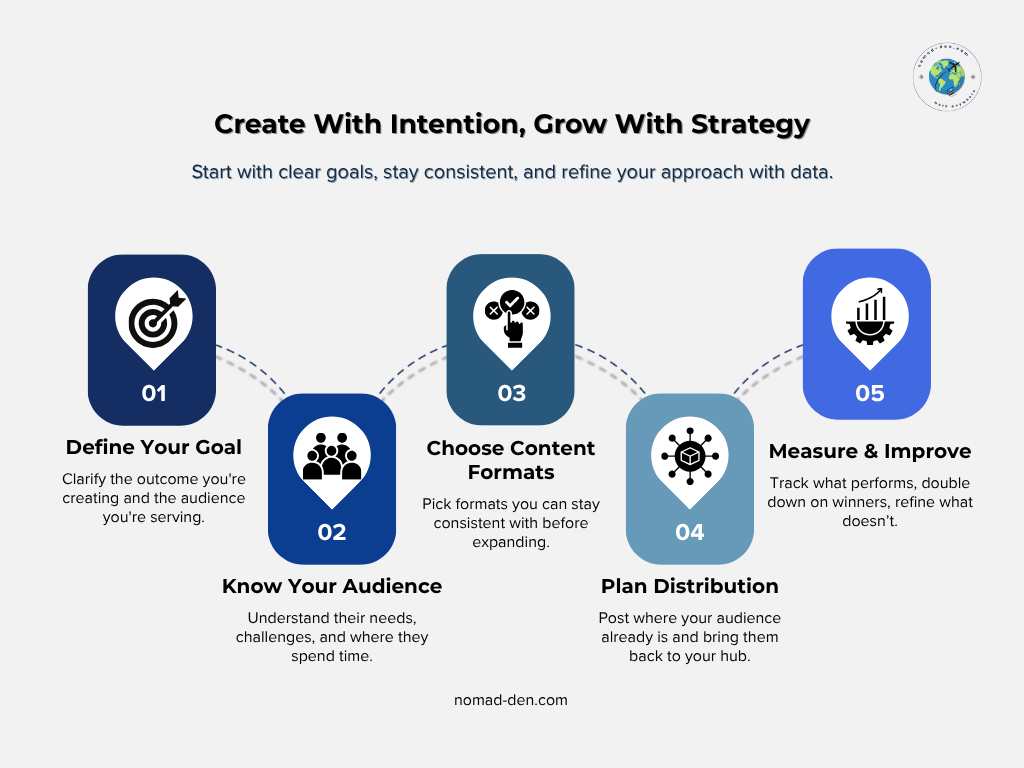
The more consistently you create and publish, the faster you’ll collect meaningful data. That data helps you refine your messaging, improve your offers, and build a loyal audience. The following five steps give you a repeatable framework to build from, regardless of your niche or experience level:
- Define your goal(s).
What do you want to achieve with your online content? Start with one clear direction. Choose a niche you care about and ideally have some experience in, this makes momentum easier and faster. - Know your audience.
Who are you trying to help? Where do they spend time online? What challenges are they trying to solve? The clearer your audience, the more effective your content will be. - Choose your core types of content.
In the beginning, don’t try to do everything. Pick one or two formats you can stay consistent with (blog posts, short-form video, podcasts, etc.). You can expand later as your skills and audience grow. - Plan distribution.
Decide where and how often you will publish. Consistency matters more than volume. Pay attention to when your audience is active and share content where they already are; meet them first, then bring them back to your platforms. - Measure and optimize.
Once you’ve been posting consistently, review your data: impressions, clicks, saves, watch time, shares, email opens, etc. These insights show what resonates. Do more of what works, and refine what doesn’t.
Consistency fuels data. Data shapes strategy. Strategy builds momentum.
*Remember, this is just an introduction and framework for your content marketing strategy. Stay tuned for the full breakdown.
Frequently Asked Questions About Content Creation
Conclusion
You’re not expected to master all formats for creating content. Most successful entrepreneurs will tell you to start with one thing and do it. As Vincent Van Gogh wrote, “what is done in love is well done.” The same applies to content: start with what genuinely matters to you, show up consistently, and let the results follow. The goal isn’t perfection, it’s progress, learning, and showing up for your audience.
Choose one or two formats you can commit to consistently and build from there. The creators who grow aren’t the ones who started with the best setup, they’re the ones who showed up regularly and let the data guide them. As your process becomes more efficient, you’ll naturally find room to expand, delegate, and take on bigger creative projects.
For better social media management with consistent scheduling, try SocialPilot
Some links in this post may be affiliate links. I may earn a commission at no extra cost to you. Learn more here.


Continue Reading Related Posts

White Hat vs. Black Hat SEO (and the Gray Area In Between)
SEO tactics fall into three categories: white hat, black hat, and a shrinking grey area…
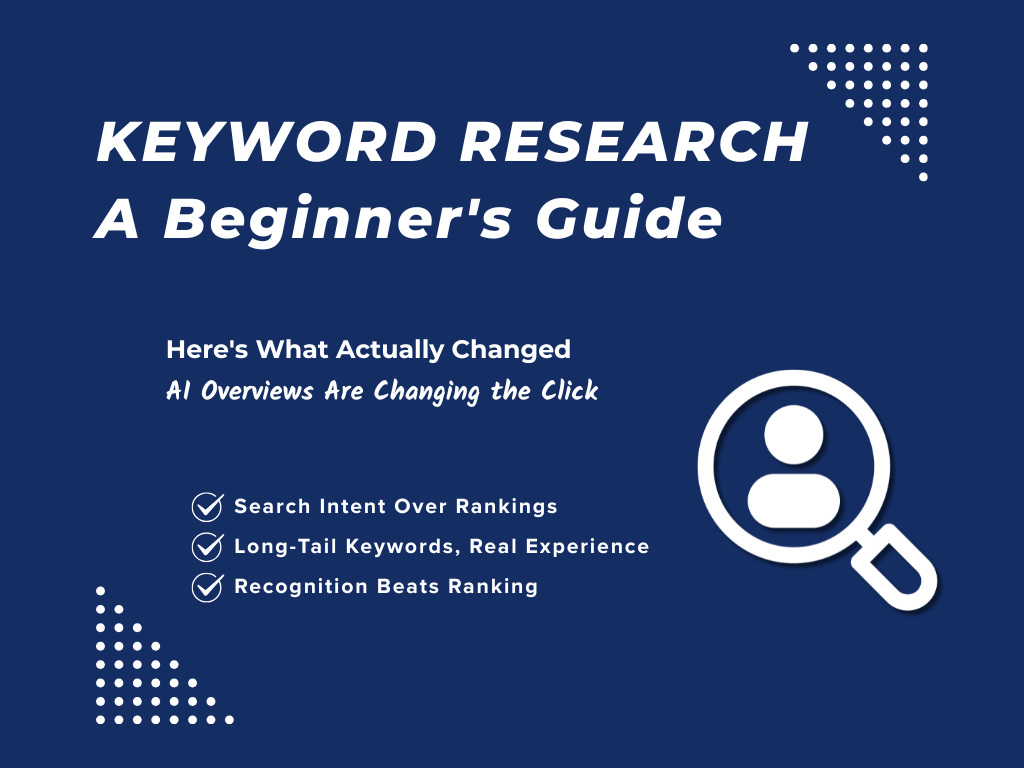
Keyword Research for Beginners: How to Find What People Are Searching For
Keyword research in 2026 isn’t about ranking on Google anymore. It’s about understanding what a…
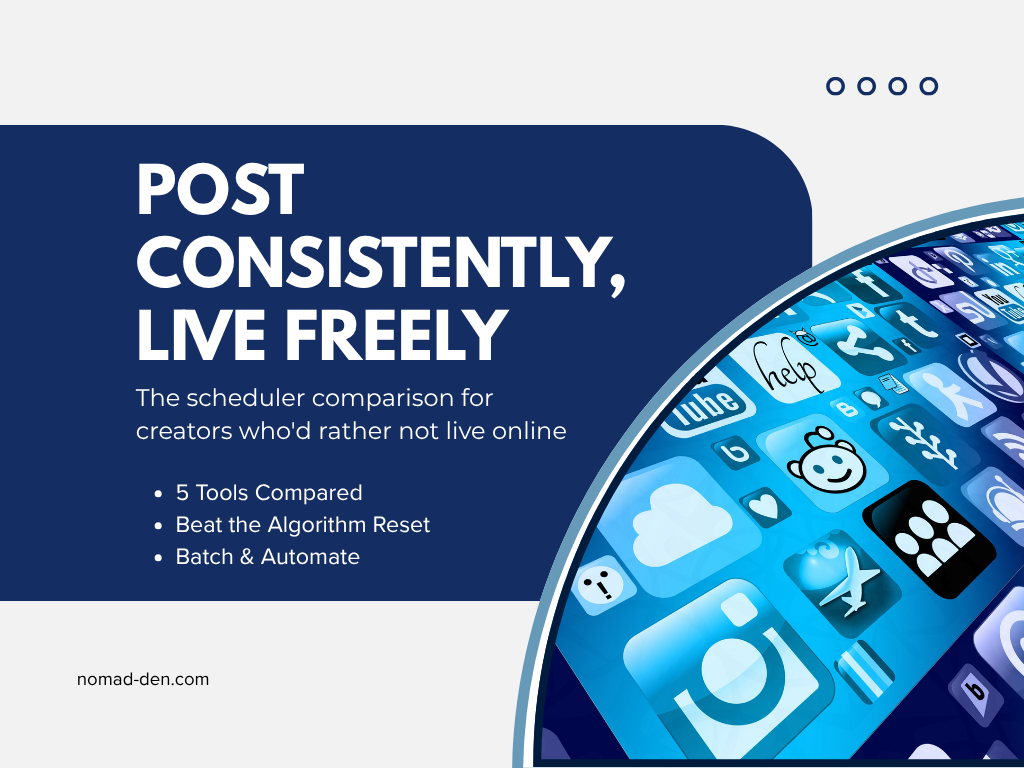
How to Use Social Media Scheduling Tools to Grow Without Being Online 24/7
There’s a version of social media growth that gets sold constantly: post more, post everywhere,…
How to Validate a Business Idea Before Wasting Months Building It
When you come up with an idea for an online business, you’re anxious to make…
Digital Marketing Analytics for Beginners: Stop Guessing, Start Tracking
When I first launched Nomad Den, I was publishing posts, building out a network of…
Lead Magnets That Convert in 2026 (And What to Build First)
Building an email list sounds straightforward until you actually try it. The real challenges aren’t…