
Some links in this post may be affiliate links. I may earn a commission at no extra cost to you.
Amazon has evolved into the world’s leading marketplace since its founding in the mid-’90s, commanding a massive share of U.S. e-commerce. Most people know Amazon. Fewer know about Amazon Associates, the company’s affiliate program, launched just two years after Amazon itself and one of the earliest affiliate marketing programs to exist.
Amazon Associates isn’t for everyone, and it isn’t something we actively promote here, but it remains a legitimate starting point worth understanding if you’re exploring affiliate marketing and want to know how one of the industry’s oldest programs actually works.
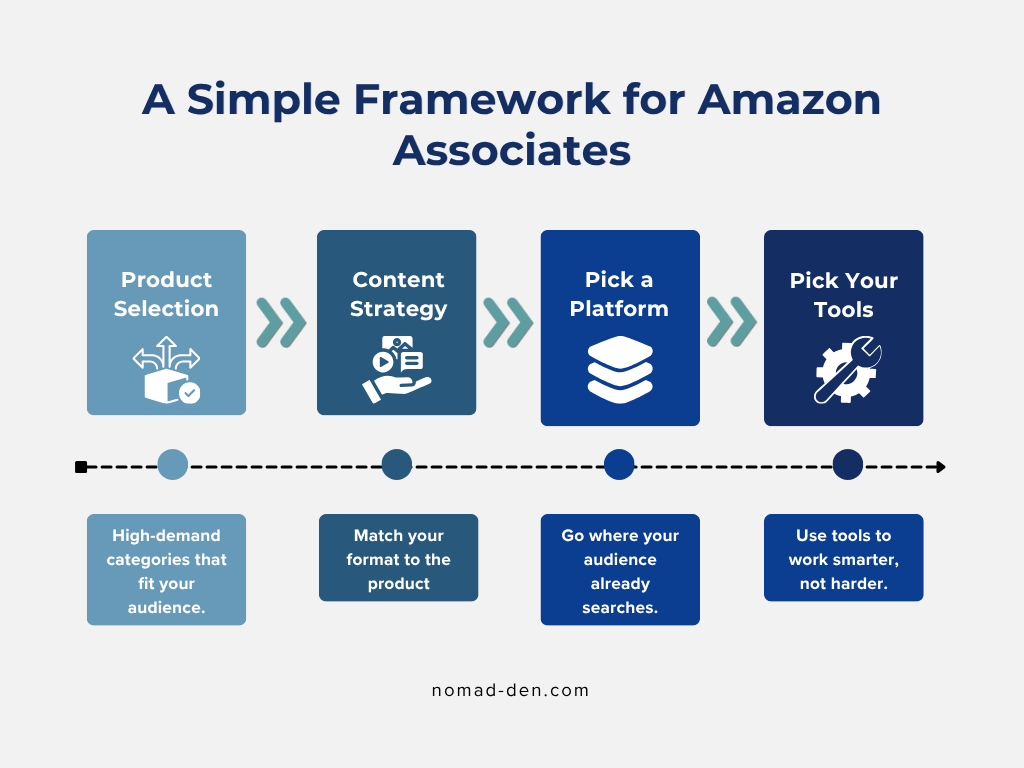
This post walks through four things worth understanding before you get started: how to choose products worth promoting, which content strategy fits your niche, where your audience actually spends time, and the tools that make the process easier. By the end, you’ll have enough to decide whether Amazon Associates is a good fit for you at all.
Choose the Right Products
First off, it’s important to understand that Amazon Associates would not be a significant source of income for most people. Ideally, for those interested in promoting Amazon products, they would need high traffic sources like a blog, website or video channel, like YouTube, as their main source of promotion. The Associates’ commission rate caps at 20% for Amazon Games and 10% for luxury beauty products (see below).
With that in mind, the key to success lies in selecting the right products that align with your audience’s interests and needs. Here are the strategies that consistently work best for choosing products that resonate and maximize your potential earnings:
Focus on High-Converting Categories
Products in high demand generally have higher conversion rates. Promoting popular categories like electronics, clothing, and kitchen or housewares, for example, can attract a wider audience and convert more effectively. Be sure to explore additional categories that fit this criteria.
Promote Products within a Consistent Niche
If you are creating a brand, business, or channel around your affiliation with Amazon, it is best to maintain a particular niche. This approach helps you build authority, trust, and a more engaged audience, which can lead to higher conversions.
Check Product Reviews and Ratings
This one’s a no-brainer. Just like you wouldn’t ignore a 3-star review at a new restaurant, don’t overlook ratings here. Check the overall score, the number of reviews, and whether the ratings are mostly 5-stars or spread across the board. For extra clarity, read a few reviews to see what people are saying as this can help you make a more informed decision.
Stay Current with Seasonal and Market Trends
A good surfer doesn’t paddle out the moment they see a wave, they watch the conditions and time their move. Online sales strategies work the same way. Trends come and go, and so do the seasons (and holidays) that drive them. Amazon sales tend to spike significantly during the holidays, and being prepared for those shifts ahead of time is what separates a good month from a missed one. Staying informed about current trends on Amazon can significantly boost your traffic and sales, if executed correctly.
Marketing Strategies
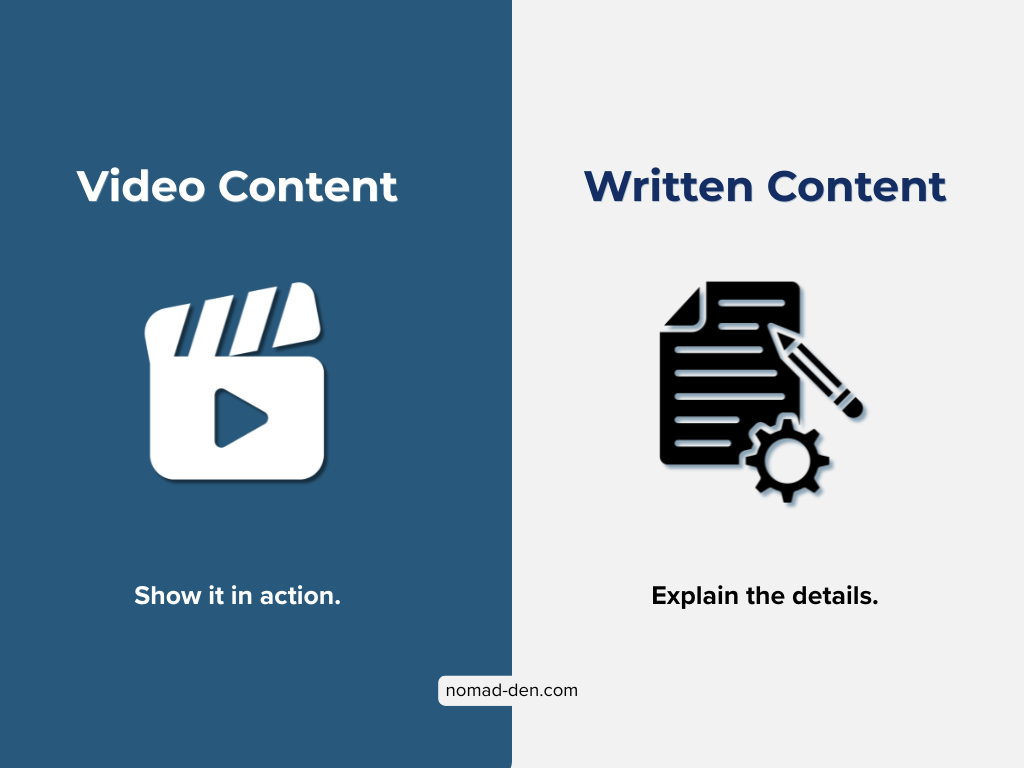
For the best results, choose a marketing medium that aligns with your product niche and categories. There are many different marketing channels to choose from, but the main split comes down to written or video content, each with its own way of connecting to an audience. The choice of which marketing medium you use plays an important role in the traffic you generate, your conversions, and overall performance metrics. Selecting the right platform for your niche will make a significant difference in your success. Here are some examples:
Common Use Cases for Video Content
The key difference between written and video content is the ability to demonstrate a product in action. For some products, a well-executed video can effectively showcase benefits without the need for words or music, relying solely on the visuals to make an impact.
- Beauty Products & Application: Before-and-after results or timelapse videos, or even tutorials, are highly effective.
- Fitness Training & Equipment: Exercise demonstrations and product comparisons are engaging and informative.
- Gaming Accessories: Unboxing videos, gameplay demonstrations, and product reviews resonate well.
- Smart Home Devices: Live demonstrations of features and the setup process can capture attention and boost engagement.
Common Use Cases for Written Content
Written content is ideal for providing detailed explanations and context, often accompanied by photos or videos. It also allows for multiple links to help readers find additional information and resources if they need to.
- Books: Best for non-fiction and niche-specific titles with detailed reviews and comparisons.
- Small Kitchen Gadgets: Easy to showcase features and benefits through detailed descriptions and images.
- Tech Accessories: Phone cases, headphones, portable chargers with detailed comparisons and pros/cons lists.
- Home Decor Items: Unique or trendy decor pieces can be visually appealing with high-quality product photos.
Whichever format you choose, matching it to your niche and your audience’s habits is what separates content that gets ignored from content creation that actually converts.
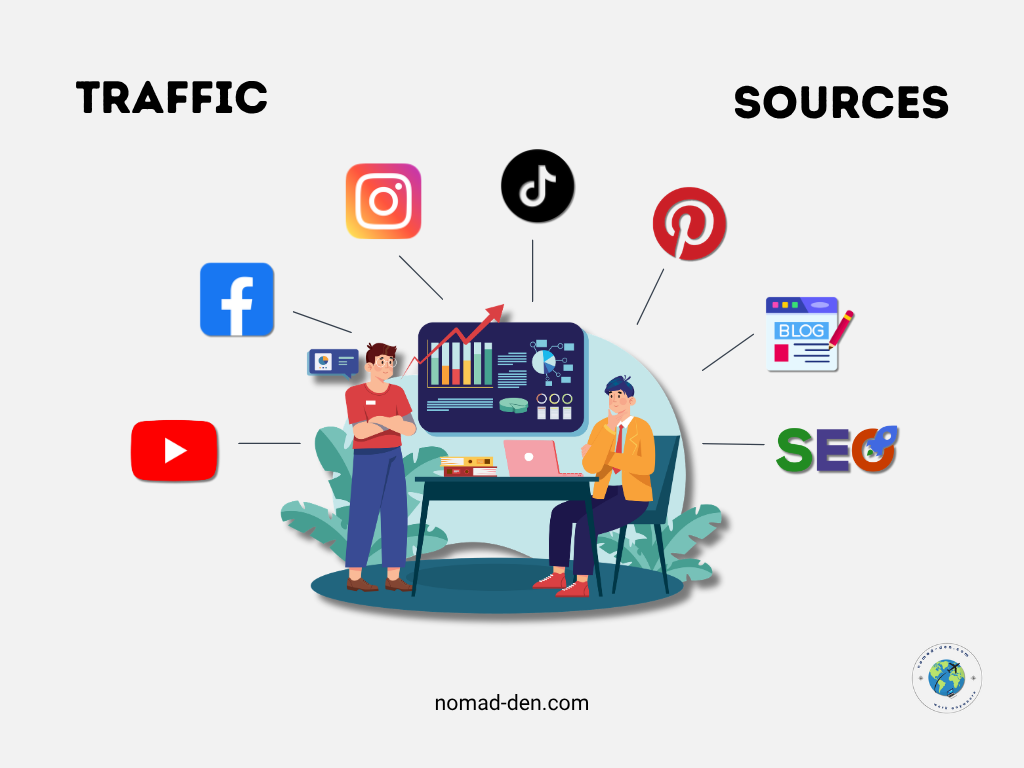
Logos shown are the trademarks of their respective owners and do not imply endorsement or partnership.
Marketing Platforms Overview
The performance of products in your chosen niche can vary significantly across different platforms. It’s crucial to conduct thorough research on your niche, topic, or product to determine which platform and style of content will best resonate with your target audience. Testing and gaining practical experience can also yield the best insights.
YouTube
YouTube has dominated online video content for some time, and remains a strong competitor against TikTok and Instagram. The core difference is length. With YouTube, you have a unique ability to dive much deeper into more detail about your topic, product, or service, than any other platform. Educational content works very well here.
Still the world’s largest social media platform by monthly active users, Facebook works differently than the others here. Organic reach on Facebook Pages has declined significantly over the years, so posting alone rarely drives much traffic. Facebook Groups and Marketplace, however, remain genuinely useful for niche communities and direct product recommendations, if you’re active and provide real value rather than just dropping links.
Instagram remains the dominant player in social media, having surpassed 3 billion monthly active users according to Meta’s own 2025 disclosures, though TikTok is closing the gap with faster year-over-year growth. Instagram dominates social media for short-form video content, high-quality imagery, and story-building. It’s perfect for engaging your audience through visually appealing content, quick tutorials, and behind-the-scenes glimpses of your product or service.
TikTok
Also a top short-form video platform, TikTok is perfect for quick, visually engaging videos. The key here is creativity. Setting yourself apart with unique, engaging content is crucial to gaining attention in this fast-paced environment, especially since most viewers decide whether to keep watching within the first few seconds, so the hook matters more here than on any other platform. TikTok Shop is a direct competitor to Amazon, but creative Amazon Associates can still do well here with the right strategy.
Pinterest is essentially a visual search engine where users can search, save, and shop for ideas that interest them. It’s unique in its styling of content, where users create “pins” (graphic images, with context and information) that drive traffic to their blog, videos, or landing pages. Pinterest also has the highest purchase intent of any social platform, with the majority of weekly users having bought something directly through it, and pins tend to keep generating traffic for months or years after posting, unlike the short shelf life of a typical social post.
Blogging
Blogging is written content that provides detailed explanations or in-depth guides. Many of the topics mentioned above align well with Pinterest, since both platforms share popular categories. However, one core advantage of blogging is its longevity, aside from YouTube, no other platform offers as much long-term traffic potential. If you’re setting up a blog for the first time, WordPress is a solid starting point to consider.
SEO (Search Engine Optimization)
Although Google still dominates online searches, it is no longer the only place people search, which is why SEO increasingly means optimizing everywhere, not just on Google. SEO is essential for ensuring your target audience can find your content by improving your rankings on Google and the other platforms covered here, since Pinterest, YouTube, and even TikTok function as search engines in their own right for the people using them.
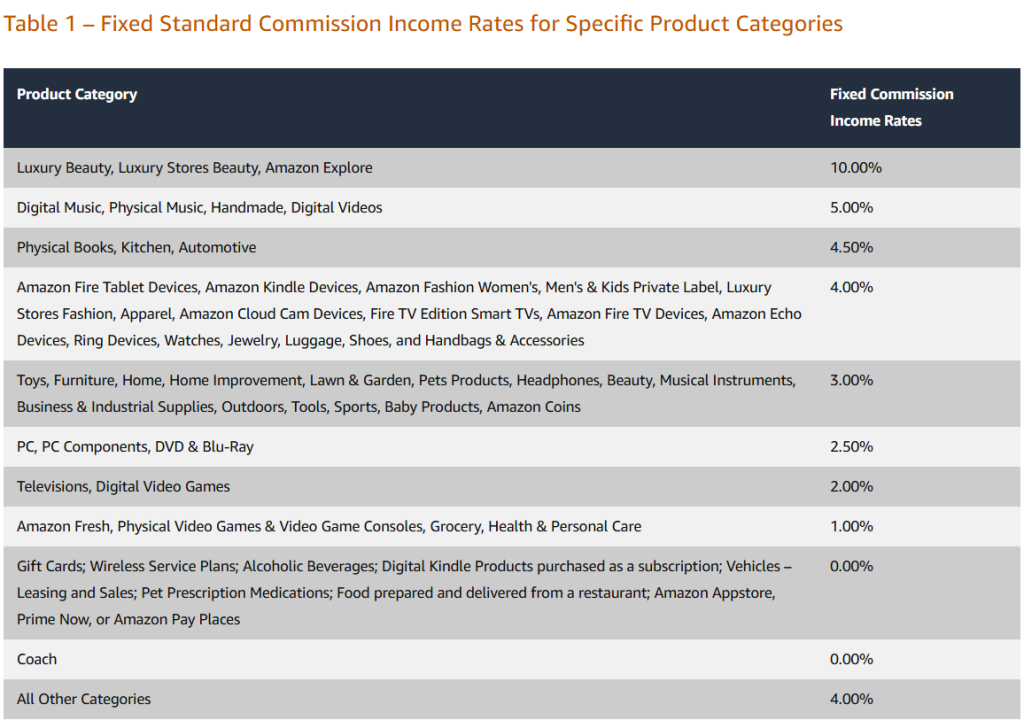
Commission rates shown reflect Amazon’s published rates at the time of writing and are subject to change; verify current rates directly with Amazon Associates.
Essential Tools for Amazon Associates
When promoting Amazon products through their affiliate program, these are some of the most useful tools for creating Amazon affiliate links, conducting product research, analyzing data properly, and scheduling your postings, so you can remain consistent.
If you’re interested in exploring the program yourself, you can apply for Amazon’s Associates program directly on their website. Note: Amazon requires a verified sale within 180 days of acceptance to keep your account active.
Amazon SiteStripe
Amazon SiteStripe is a built-in efficiency tool that makes it easy for Associates to create affiliate links directly from Amazon’s website. It looks just like this:

It will appear at the top of your screen within the Amazon window. Choose your product first, click on the ‘Get Link’ button and it will generate a link for you, where you can choose the full link or a short one.
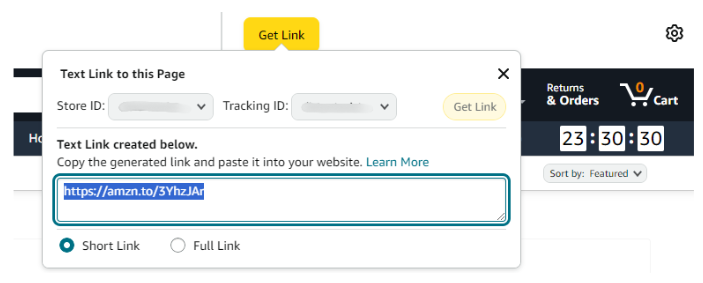
SiteStripe also maintains your earnings internally, and Amazon provides basic reports that show link performance, clicks, earnings, and conversion rates. You can break down your data by product, link, or time period.
More Essential Tools for Amazon Associates
- Jungle Scout: A comprehensive research suite covering product research, sales tracking, and keyword insights. It’s a solid all-in-one option if you want a full dashboard for identifying profitable products worth promoting.
- AMZScout: A lighter-weight alternative focused on quick product and keyword research. Useful if you want fast trend and sales-estimate data without committing to a full analytics subscription.
- CamelCamelCamel: A well-known resource for tracking price history and getting alerts for product price drops.
- DS Amazon Quick View: A browser extension that gives you quick access to product details like seller rank and sales information.
- MeetEdgar: A social media scheduling tool that helps you manage your presence across various platforms. It automates and recycles content, making it easier to consistently share posts, including Amazon affiliate links, across your social channels.
- PicMonkey: A graphic design tool that can be used to create high-quality images for affiliate campaigns.
Affiliate Disclosure
Transparency is key when it comes to any exchange of goods or services, particularly in affiliate marketing. Being upfront about the nature of your relationship with a product or company builds trust with your audience. Per FTC guidelines, affiliate disclosures should be displayed conspicuously and as close to your affiliate links or endorsed product mentions as possible. Place an affiliate disclosure on every page that includes a sponsorship, affiliate link, or endorsement.
If you want to go deeper on FTC compliance, Don’t Say That, by Anik Sangal covers the topic well.
Amazon Doesn’t Have Everything
It is important to know that, although Amazon is a significant retailer with more than twice as many products as Walmart, there are many products and companies that are not sold on Amazon (and perhaps never will be), but may have their own affiliate programs. While Amazon sets itself apart with the easy of shopping, boundless options, and quick delivery, they are still limited. Once you find your groove or are settled into your niche, explore other options by going directly to the manufacturer or join affiliate networks, to find more similar products that fit within your niche and brand. They may have a stronger commission structure.
For more information on affiliate marketing tips and strategies, check out our guide on top free affiliate programs, for alternatives beyond Amazon.
Amazon Associates FAQ
Conclusion
Amazon Associates offers a genuine opportunity for those exploring affiliate marketing, especially given Amazon’s vast market reach, reliable customer service, fast delivery, and consistent product quality. It won’t be the right fit for everyone, and it’s rarely a significant income source on its own, but with the right strategy and a well-matched niche, it remains a legitimate program worth understanding as part of a broader affiliate marketing approach.
Some links in this post may be affiliate links. I may earn a commission at no extra cost to you. Learn more here.
Continue Reading Related Posts

Affiliate Marketing Scams: How to Spot Them (and Protect Your Own)
Affiliate marketing is a legitimate, commission-based business model, not a scam, that predates the internet…

Affiliate Marketing Networks Compared: Which Ones Are Actually Worth Joining?
An affiliate network is a middleman platform that connects you to multiple merchants or vendors…

6 Affiliate Niches That Last (And Beginners Can Start Today)
Most people pick an affiliate niche based on what’s trending right now. While that may…
How to Start Affiliate Marketing For Less Than $50 (Beginner Guide)
Affiliate marketing is one of the most affordable and accessible ways to start earning income…

17 Affiliate Marketing Terms Beginners Need to Know
Affiliate marketing terms are the core vocabulary that explains how the business model works, including…
ClickBank for Beginners: Step-by-Step Tutorial to Your First Commission
ClickBank is a digital marketplace where product creators list offers and affiliates earn commissions by…