
Some links in this post may be affiliate links. I may earn a commission at no extra cost to you.
Table of Contents
- Link-in-Bio Storefronts: The Fastest Way to Start Selling
- Systeme.io: An All-in-One E-Commerce Alternative
- Selecting the Best Platform for Your Business Needs
- Setting Up Your Online Store
- Selling Physical vs. Digital Products
- Integrating Email Marketing and SEO
- Scaling Your Store for Long-Term Success
- FAQs
- Conclusion
- Continue Reading Related Posts
Launching an online store in 2026 means picking between two paths: a lightweight storefront built inside a platform you don’t own, or a full setup built on infrastructure that’s actually yours. Both work, however the tradeoff between them is what this guide actually walks you through.
Storefronts that are native to the platforms they are on have real numbers behind them now. TikTok Shop’s affiliate program alone drives 42% of the platform’s US sales, and it’s become a genuine primary income source for creators who’ve never built a traditional website. The catch is the same one reshaping SEO right now: when a platform controls the algorithm, it can change your reach, your payout, or the rules entirely, without warning. You’ve seen this play out with Google’s own AI Overviews; the same principle applies to any storefront that lives entirely inside someone else’s platform.
That’s not an argument against link-in-bio tools, as most stores, including several covered here, start on one. It’s a reason to think about ownership early: your email list, your product data, your domain, are things no platform can take back from you. Whether you’re selling digital products, physical goods, or a mix of both, that distinction shapes which platform actually fits.
In this guide, we’ll walk through three link-in-bio tools built for showcasing digital products, and three full platforms that support both digital and physical goods, ranging from beginner-friendly to more advanced. By the end, you’ll have a clear path to launch and scale, on infrastructure you actually control.
Link-in-Bio Storefronts: The Fastest Way to Start Selling
When it comes to building your online store, deciding on which platform best fits your business is one of the most critical decisions you can make. The right ecommerce software will determine how you manage your products, process orders, and interact with customers.
In this section, we’ll explore the standout features of popular “Link-in-Bio” tools built primarily for showcasing and selling digital products. Some of the best digital products websites are built on these platforms. You’ll get a quick intro to each one so you can decide which platform fits your digital product strategy best.
Beacons.ai
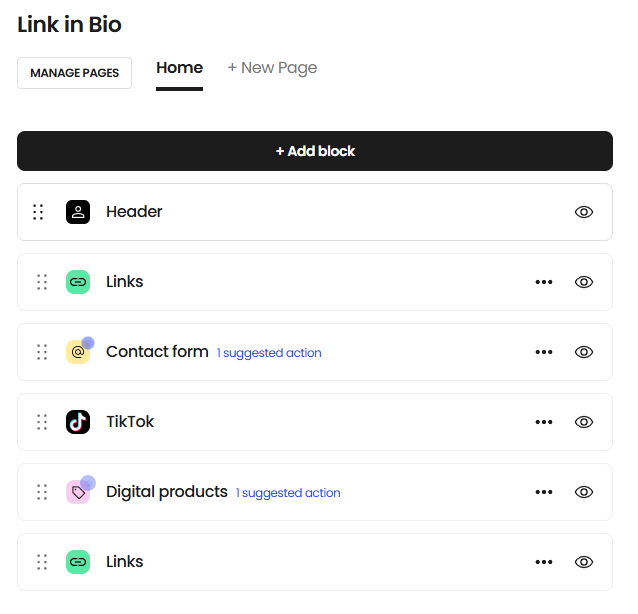
Beacons offers extensive customization options to help you build a digital storefront without needing tech skills. Whether you’re promoting affiliate offers or selling your own digital products, Beacons makes it easy to get started and grow.
- Free: unlimited digital products, 9% seller fee, real-time analytics
- Creator ($8.33/mo): free custom domain, 500 email sends/month, advanced SEO and marketing features
- Creator Plus ($25/mo): 0% seller fees, unlimited courses with video hosting, unlimited email sends
Try Beacons with a free forever plan, or get two months free with annual signup!
Stan.store
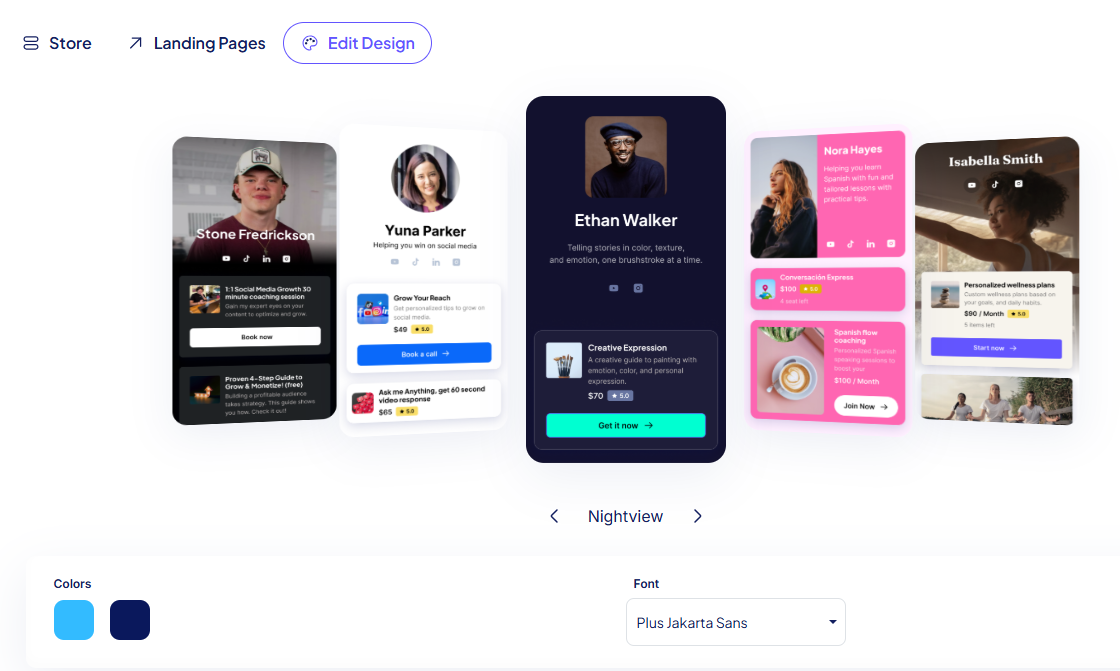
Stan.store is built for creators and entrepreneurs who want a quick, user-friendly way to sell digital products and services. With its clean interface and simple setup, you can start selling downloads, consulting sessions, or subscription-based offers without any technical knowledge.
- Creator ($29/mo): unlimited digital products, course and community builder, calendar/booking tools, Instagram AutoDM, zero transaction fees
- Creator Pro ($99/mo): adds affiliate program management, email broadcasts and automated flows, discount codes and payment plans
Try Stan now for free for 14 days! Cancel anytime.
SendOwl
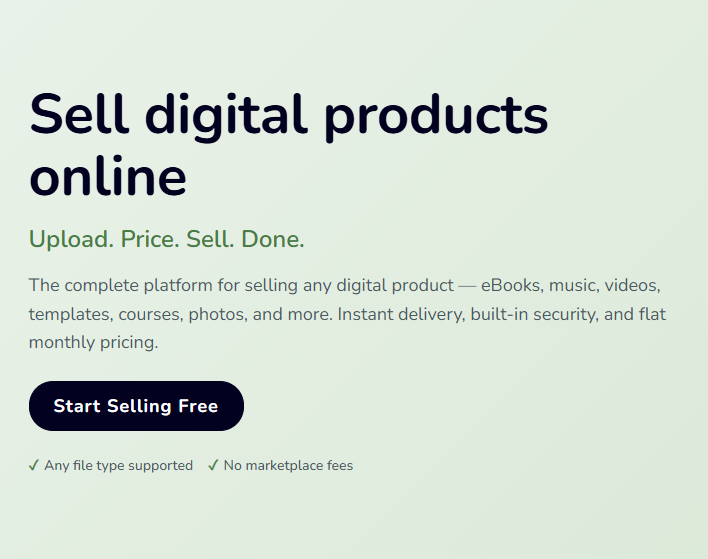
SendOwl is ideal for digital products, allowing you to deliver e-books, courses, software, or other digital content seamlessly. It’s lightweight but offers powerful features like automated emails, upsells, and a variety of payment options. If you’re primarily focused on digital products, SendOwl provides a streamlined approach to managing and selling online.
Every plan includes the same full feature set, drip content, automated delivery, upsells, discount codes, and affiliate tools included from Launch on up. The only thing that changes as you upgrade is how much volume you can handle:
- Launch ($32.50/mo annual): up to 5,000 orders and $10,000 in sales per year, 10 GB bandwidth per month
- Grow ($72.50/mo annual): up to 25,000 orders and $36,000 in sales per year, 20 GB bandwidth per month
- Scale ($132.50/mo annual): up to 50,000 orders and $100,000 in sales per year, 50 GB bandwidth per month
Try SendOwl now! Free for 7 days, with no pressure to commit.
Whether you’re promoting affiliate offers, digital downloads, or coaching services, Beacons, Stan.store, and SendOwl all let you launch without building a full website first. If you’re focused on keeping your setup costs low while selling digital products, here’s a closer look at selling digital products on a budget. Otherwise, if you need something built for scale, physical products, or deeper automation, the platforms below go further.
Systeme.io: An All-in-One E-Commerce Alternative
Now that we’ve covered three link-in-bio tools built for a fast, no-website setup, this section shifts to something built for more: full e-commerce, digital and physical products together, and everything else that comes with running a business, not just a storefront.
Systeme.io
Systeme.io is an all-in-one marketing platform: email marketing, sales funnels, membership sites, course hosting, and a built-in affiliate program, combined into a single dashboard. With Systeme.io, you can sell both digital and physical products while managing your marketing campaigns without stitching together five different tools.
- Free: 3 sales funnels, 1 course, 1 blog, built-in affiliate program, 0% transaction fees
- Startup ($17/mo): unlimited sales funnels, 5 courses, 5,000 contacts
- Webinar ($47/mo): 10,000 contacts, automated webinar funnels, unlimited everything else
Systeme.io’s free plan never expires and doesn’t require a credit card, but it’s worth knowing where it falls short too: physical product support is basic, and its built-in blogging and SEO tools are limited enough that our own hands-on review of the platform recommends moving to WordPress once content and search visibility become a priority. For digital products and funnels, though, it’s a strong place to start without financial pressure.
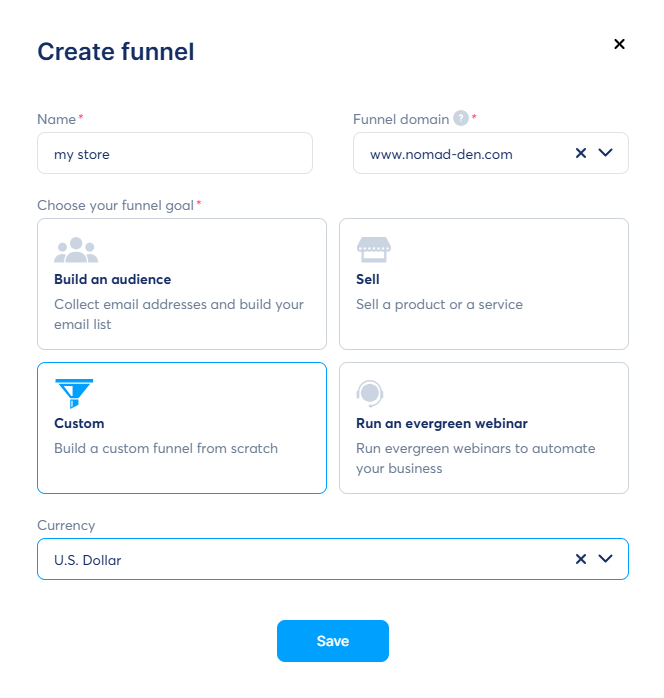
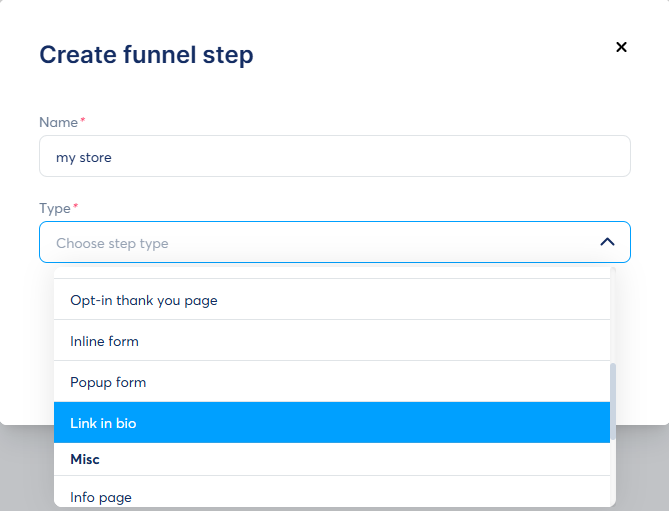
Systeme.io doesn’t have a standalone link-in-bio builder, you get there through the funnel tool instead: choose Custom when creating a funnel, then add a Link in bio step. It’s under “Opt-in.” One thing to watch for, the currency defaults to Euro, so double-check that setting before saving.
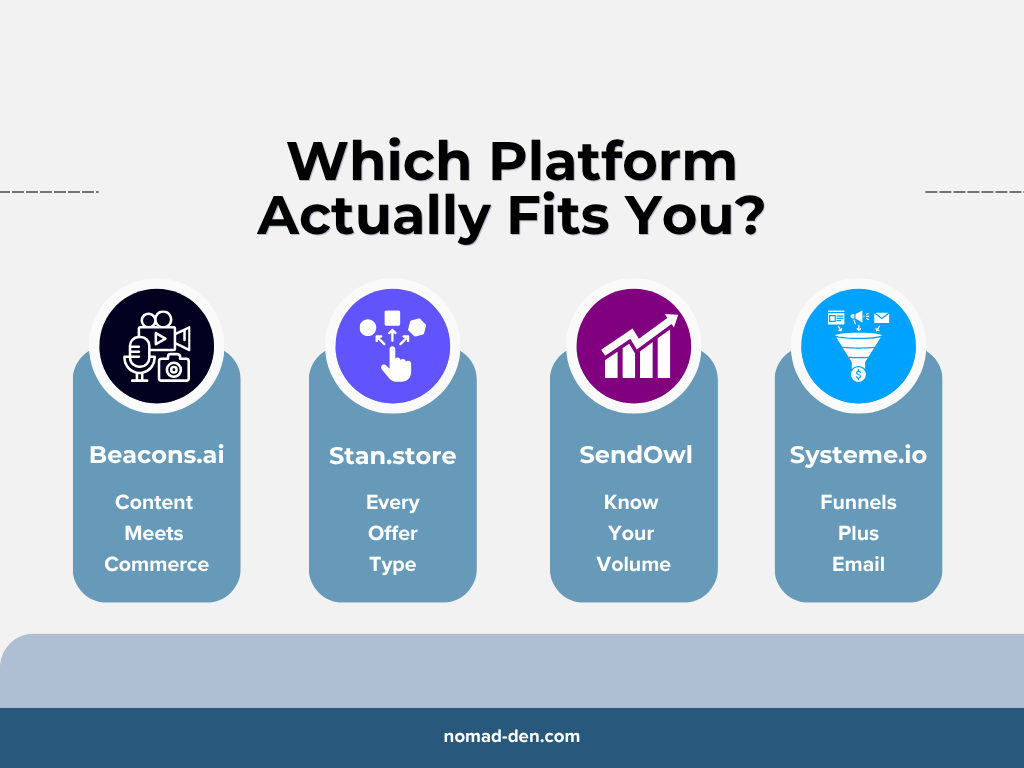
| Beacons.ai | Stan.store | SendOwl | Systeme.io | |
|---|---|---|---|---|
| Starting price | Free | $29/mo (no free plan) | $32.50/mo annual (no free plan) | Free |
| Trial period | n/a | 14 days | 7 days | n/a |
| Transaction fees | 9% (Free) → 0% (Creator Plus) | 0% | 0% (volume-capped instead) | 0% |
| What scales with price | Features | Features | Order volume and bandwidth | Contacts, funnels, courses |
| Best for | Creators mixing content and digital products | Creators wanting an all-in-one storefront fast | Sellers who know their volume and want simplicity | Beginners who also need funnels, email, and courses |
Pricing and plan details reflect what was current at the time of publishing. Platforms change pricing, features, and plan structures often, confirm current details directly with each provider before making a decision.
Which platform fits depends mostly on what you’re selling and how much control you want over the details, digital-only versus physical inventory, a quick storefront versus a full marketing suite. The next section breaks down the specific factors worth weighing before you commit to one.
Selecting the Best Platform for Your Business Needs
Choosing the right platform for your online store is about more than picking a popular name, it’s about finding one that fits your business goals, the products you’re selling, and how much room you’ll need to grow. Here’s what actually matters when making that choice.
- Ease of Use: How intuitive is the platform? For beginners, platforms like Stan.store and Beacons.ai offer a simple, user-friendly design, making it easy to set up and manage without a technical background.
- Product Types: Are you selling physical products, digital downloads, or both? If your business focuses on digital products, SendOwl is an ideal choice, while Systeme.io provides more flexibility for mixed offerings.
- Payment Options: Consider whether the platform integrates with popular payment processors like PayPal or Stripe, and ensure your platform supports credit cards and international transactions for a seamless checkout experience.
- Scalability: While Beacons.ai and Stan.store are built for creators just getting started, SendOwl scales differently, every plan includes the full feature set, so you only upgrade when your actual order volume or revenue outgrows your current tier, not because a feature got locked behind a paywall.
- Customization: How much control do you need over your store’s look and functionality? Beacons.ai keeps things simple with a beginner-friendly interface, while Systeme.io’s funnel builder gives you more room to shape page structure and flow as your needs grow.
- Support and Resources: Some platforms offer stronger customer support, onboarding, or training resources than others. When choosing a platform, look for clear documentation, responsive support, and educational materials that help you get up and running quickly.
- Cost: Pricing models vary between platforms, so be sure to choose one that fits your budget without compromising on key features. Look for platforms that offer a balance between affordability and functionality.
Whichever platform fits your workflow and budget, you don’t have to commit blind. Beacons.ai and Systeme.io let you start for free, while Stan.store and SendOwl offer a trial period to test the fit first, see the comparison above for the specifics.
Setting Up Your Online Store
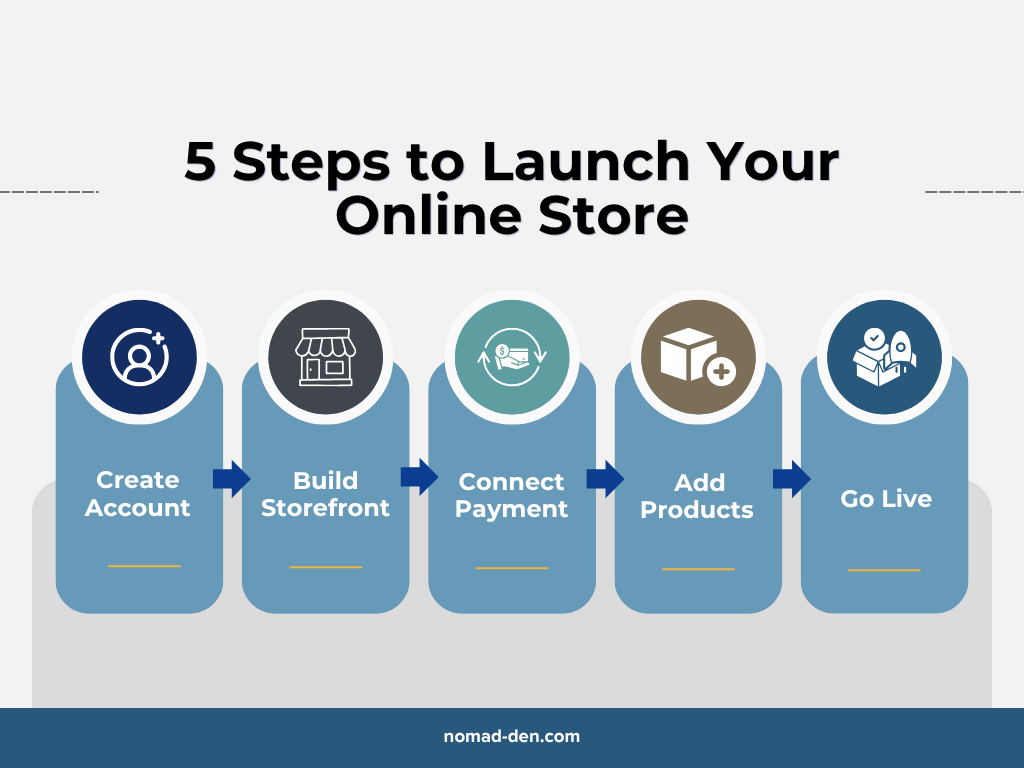
Once you’ve chosen the right platform, it’s time to actually set up your storefront. Each platform’s process looks a little different, so this section walks through the specific setup steps for each of the four covered above:
Every platform follows the same basic sequence: create an account, build your storefront, connect payment, add your products, and go live. What differs is how each step works platform to platform, and that’s what’s covered below.
Beacons.ai Setup
Beacons follows the same five steps, with two things minor differences. Their storefront building allows you to pick from customizable templates rather than starting from scratch, as well as adjusting colors, fonts, and layout blocks through a drag-and-drop editor. Through the same editor, you would also connect your payment gateways (PayPal or Stripe) directly. Sign up for Beacons.ai and choose the plan that fits your budget, pricing is covered in the comparison above.
Stan.store Setup
Stan follows the same five steps, with one real difference: storefront building means customizing a template through Stan’s drag-and-drop builder, uploading your logo, and selecting a theme. The product setup feature supports service-based offerings like coaching calls alongside digital downloads, not just files. Start by creating an account on Stan.store and selecting the plan that suits your business needs.
SendOwl Setup
SendOwl follows the same five steps, with one addition: after adding products, you’ll configure automated email delivery, so digital files get sent to buyers the moment payment clears. Product setup itself just means uploading a file and setting access rules, instant download or time-limited. Sign up for SendOwl and choose a plan based on your expected order volume, more on that in the comparison above.
For a closer look at Beacons, Stan.store, and SendOwl side by side, see the full comparison.
Systeme.io Setup
Systeme.io follows the same five steps, but storefront building looks different here. There is no dedicated link-in-bio builder, so you’ll go through the funnel tool instead, choosing Custom when creating a funnel, then adding a Link in bio step under Opt-in. It is also one of two platforms in this guide with a genuine sixth step, connecting your email marketing integration to automate lead nurturing once your funnel is live. Sign up for Systeme.io and choose a plan, pricing is covered in the comparison above.
For a full breakdown of everything Systeme.io offers, see the complete review.
Selling Physical vs. Digital Products
When building an online store, deciding whether to sell physical products, digital products, or both is an important consideration. Each type requires different management strategies and marketing approaches, and choosing the right platform can make a big difference.
Selling Digital Products
Digital products, like e-books, courses, and software, are easier to manage than physical goods. They can be duplicated instantly, there’s no shipping or manufacturing cost, and returns are simpler to handle. Delivery is automated, and marketing tends to center on email campaigns, content, and social media rather than logistics.
Selling Physical Products
Selling physical products requires additional steps like tracking inventory, managing shipping logistics, and handling customer service. These businesses must partner with reliable fulfillment services, and often use high-quality images, customer reviews, and targeted ads to boost sales. Automation tools can streamline these tasks and help maintain efficiency.
Not sure which fits your business? E-Commerce Simplified: Digital vs. Physical Goods breaks down the tradeoffs in more detail. Beacons.ai, Stan.store, and Systeme.io all support both digital and physical products. However, SendOwl is designed for digital products only, so if physical inventory is part of your plan, that’s one to rule out early.
Integrating Email Marketing and SEO
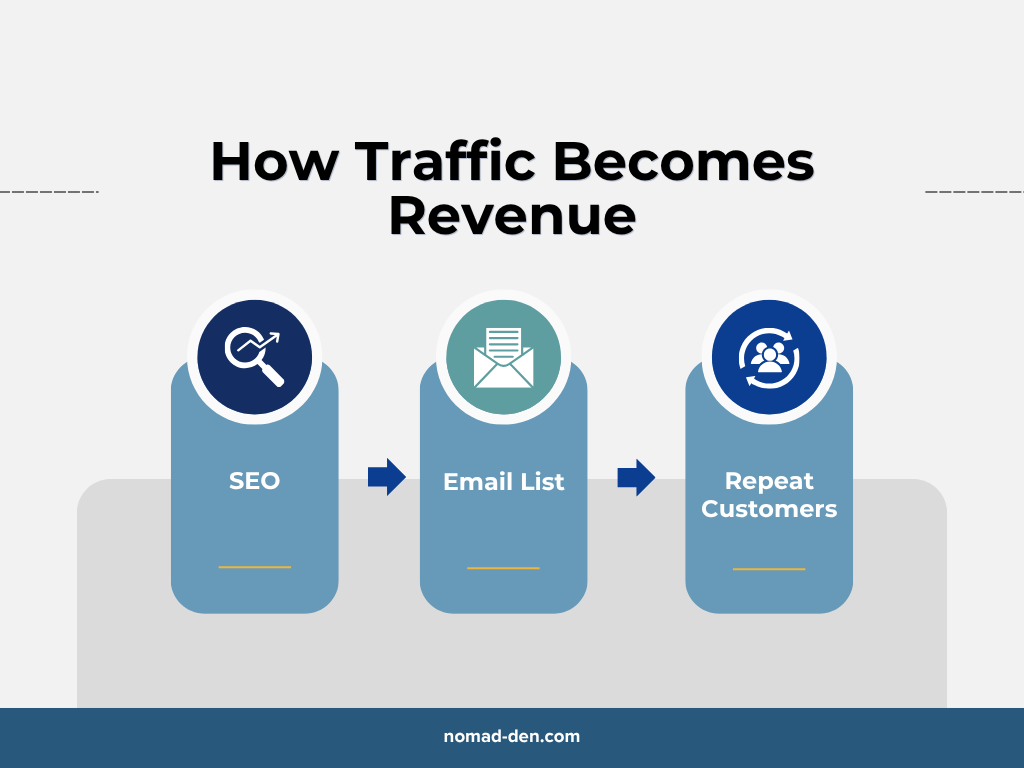
To successfully drive traffic and conversions for your online store, integrating both email marketing and SEO is essential. These two strategies work hand in hand to grow your audience, nurture leads, and optimize your visibility in search engines.
Effective Email Marketing Strategies for E-commerce
Email marketing remains one of the most powerful tools in your store’s toolbox. It helps build relationships with customers, boost loyalty, improve brand recognition, and drive conversions. Most platforms mentioned in this post support automated campaigns, making it easy to nurture leads and keep your audience engaged. Here’s how to leverage email marketing effectively:
- Collecting Leads: Use email sign-up forms to gather leads directly from your store. A strong lead magnet, like a discount code or exclusive content, is what actually gets people to sign up.
- Email Sequences: Automate welcome emails, follow-ups, and product recommendations based on customer behavior. This keeps your audience engaged and increases conversions.
- Promotions and Newsletters: Send regular newsletters or promotional emails to remind customers of new products, special deals, and more.
For a more strategic approach to growing your list and increasing conversions, check out my in-depth guide to email marketing, featuring automation tips and engagement strategies.
SEO Best Practices
In addition to email marketing, Search Engine Optimization (SEO) plays a vital role in driving organic traffic to your online store, and it’s still worth the effort even with AI reshaping how people search.
- Keyword Research: Make sure your product pages, blog posts, and landing pages are optimized with relevant keywords. Here’s how to find high-traffic keywords in your niche, even if you’re starting from scratch.
- On-Page Optimization: Ensure your website is optimized for search engines by using descriptive meta tags, alt text for images, and including internal and external links where relevant.
- Content Strategy: Creating valuable, keyword-rich content, such as blog posts or product descriptions, can improve your ranking and increase organic traffic. Here’s what content marketing actually involves if you want the fuller picture.
- Mobile Optimization: As more consumers shop on their phones, it’s important to ensure that your website is mobile-friendly. Google considers mobile usability when ranking websites, so make this a priority.
For a more comprehensive look at how to implement SEO effectively, check out my in-depth guide, featuring Mangools’ suite of tools.
Scaling Your Store for Long-Term Success
Once your store is up and running, the next step is scaling it to increase your chances for long-term success. Whether you want to expand your product offerings, increase your customer base, or automate key aspects of your business, scaling requires the right tools and strategies.
Analytics, Diversification, and Automation
For those focused on ecommerce for small business, scalability and simplicity are key. Scaling begins with understanding your business’s performance. Analytics are crucial for making data-driven decisions:
- Analytics: Most of the platforms already covered here have this built in, Beacons and Stan.store both include an Analytics tab right in the dashboard, so you don’t need a separate tool to start tracking traffic, conversions, and customer behavior. Here’s how to make sense of that data once you’re collecting it.
- Automation: This is what lets you scale without scaling your workload. Systeme.io’s automation builder handles email sequences and order processing, and SendOwl goes a step further, automated delivery, upsells, and order processing are included on every plan from day one, not locked behind an upgrade.
- Diversification: Your own affiliate program can become a second revenue stream as you grow. Beacons.ai, Stan.store, and Systeme.io all include built-in affiliate program management, letting you recruit others to promote your products without adding another tool to your stack.
Automation handles the repeatable stuff. At some point, though, you’ll hit tasks that genuinely need a person, not a workflow.
Utilizing Fiverr for Outsourcing
As you scale, outsourcing tasks can free up your time to focus on high-level strategy:
- Outsource Repetitive Tasks: Use Fiverr to outsource tasks like content creation, graphic design, and even customer service. This allows you to delegate smaller tasks while focusing on business growth.
- Specialized Expertise: Fiverr is also a great resource for hiring experts in specific areas like SEO, social media marketing, or product photography, helping you maintain quality as you expand.
Outsourcing the repetitive work doesn’t mean losing control of your store, it means buying back the time for the decisions only you can make: what to sell, how to position it, and where to take the business next.

FAQs
Conclusion
Which platform fits comes down to what you’re actually selling and how much you want to own outright. Beacons.ai and Systeme.io get you started for free, Stan.store and SendOwl are worth paying for from day one if the fit is right, and if physical products are part of the plan, SendOwl is the one to rule out early.
None of these tools replace the two things that actually compound over time, your own audience and your own traffic. That’s the same lesson TikTok Shop creators are learning and SEO is proving right now: platforms can change the rules, your email list and your domain can’t be taken from you. Start with whichever platform fits your budget today, and build the ownership piece alongside it so you’re not migrating everything later.
Some links in this post may be affiliate links. I may earn a commission at no extra cost to you. Learn more here.
Continue Reading Related Posts
Private Browsers and Search Engines Worth Switching To
Google Chrome accounts for roughly 69% of the world’s web page views, and Google handles…
When to Start Outsourcing: How to Vet Your First Virtual Assistant (or Freelancer)
Outsourcing makes sense the moment a task is both teachable and consistently the thing standing…

How to Validate a Business Idea Before Wasting Months Building It
When you come up with an idea for an online business, you’re anxious to make…
6 Affiliate Niches That Last (And Beginners Can Start Today)
Most people pick an affiliate niche based on what’s trending right now. While that may…
Digital Marketing Guide: Where to Start and How It Works
Digital marketing is the promotion of products or services using digital channels such as search…
Content Creation vs Content Marketing: What’s the Difference?
Content creation is producing content. Content marketing is strategically using the content you produced to…